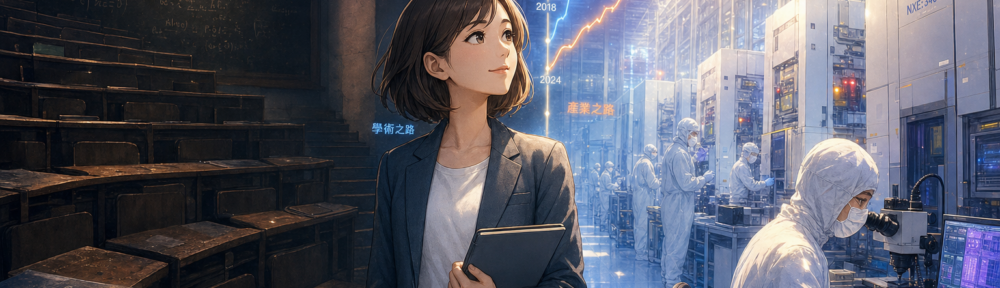
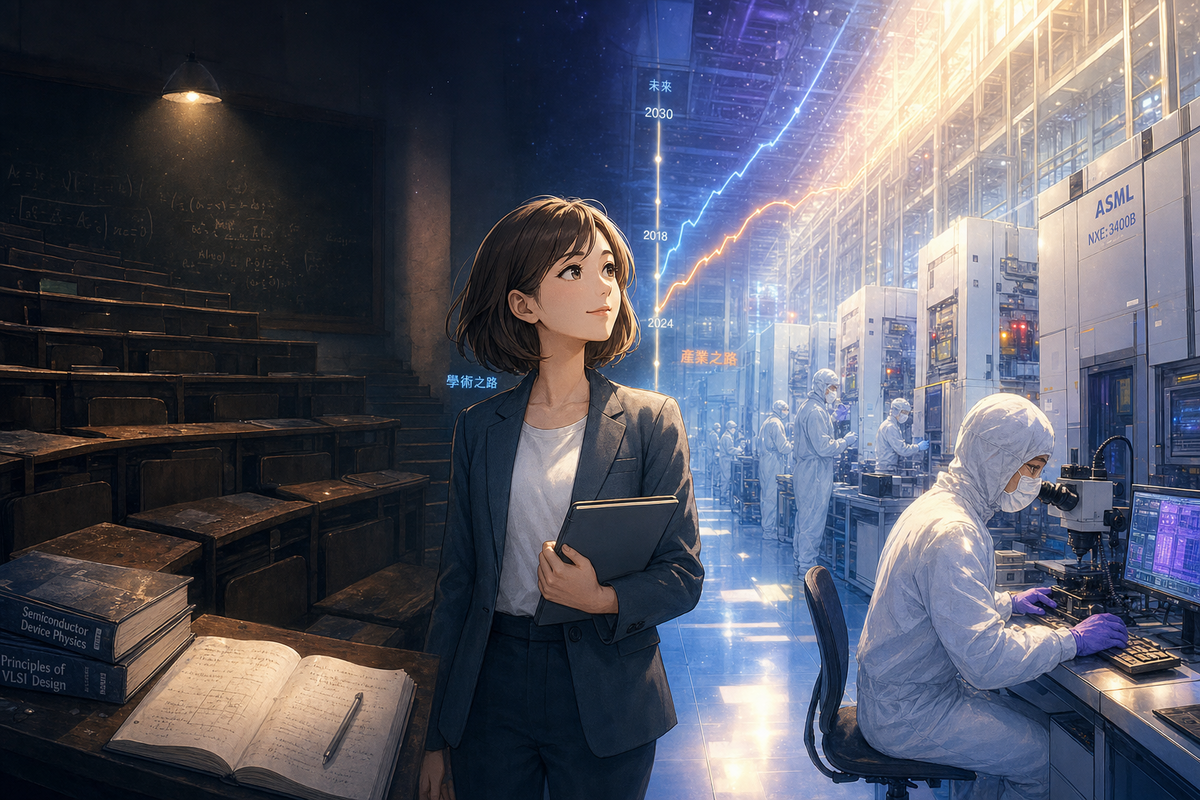
教育部的預測數字擺在那裡:大學新生人數要從現在的20萬5千人,掉到2041、42學年的15萬1千人,減幅26.34%,平均每年少3,400人。這是已經寫進出生登記簿裡、十八年後兌現的帳。2014年至今,17所私立大學關門。私立學校教育工作者聯盟主席尤榮輝說,下一波倒閉潮會落在2028到2029年,再過去,2041年的私立大學可能只剩30到40所——現在數量的一半,甚至三分之一。
同一份報告裡,還有另一條曲線在往上衝。台積電龍潭廠重啟擴建,鴻海AI伺服器業務明年估計要占營收三到四成。先進封裝產能全球吃緊,矽品得跟大學合作辦人才培育班才補得上缺口。台灣的半導體與AI供應鏈,正在最需要工程師的時候,往生源最少的方向開車。
兩條線交叉在同一張課表上
台灣資訊相關科系畢業生一年約2萬人,產業需求卻是3到4萬人,缺口早就存在,跟新生數字無關,是結構性的,不是景氣循環。等新生人數真的少了兩成六,這個缺口不會自動填平,只會變得更難看。半導體人才荒不是新聞了,矽品找亞洲大學合建培育引擎,就是廠商已經等不到教育體系自然供應的證據。
更尷尬的是,人才不夠不代表用得好。台灣人均AI使用強度全球排名跌到第23,是台灣、新加坡、韓國、日本四地裡唯一不增反減的市場,新加坡的數字是台灣的2.8倍。硬體做得動,軟體用不動,兩件事同時發生,才是完整的圖像:一邊蓋晶圓廠蓋到人力吃緊,一邊懂得把AI用進日常工作流程的人卻越來越少。工程師荒和應用貧血,其實是同一個人才結構失衡的兩個症狀。
倒閉的私校,變成誰的資產?
私立學校教育工作者聯盟提出的解法很直白:財務困難的大學可以考慮被集團收購,或引入上市公司投資。這聽起來像危機處理,換個角度看,也是一次資產重新分配——閒置的校地、實驗室、宿舍,未來幾年會大量出現在市場上,接手的可能是科技集團,也可能是教育以外的產業。人口連續下滑已經第30個月,創下戰後最長紀錄,6月底總人口2,324.36萬,比去年同期少了超過10萬。校園裡的教室越來越空,企業履歷表上的那疊也越來越薄。
寫在時間表上的空格
玉山學者計畫、外國專業人才延攬及僱用法、新創簽證,這些政策工具已經在推,方向是對的:本地生源不夠,就往外找。但政策從公告到見效需要時間,晶圓廠擴建的時間表可等不了那麼久。2028到2029年的私校倒閉潮,跟龍潭廠的擴建進度,會落在幾乎重疊的幾年裡。到2030年代末,本地工程師增量趨近於零的時候,台灣的AI供應鏈會不會已經找到別的補位方式,現在還沒有答案,只有一張越畫越近的時間表。
— 高嘉芸
Which Goes Dark First, the Classroom or the Fab?
The Ministry of Education’s forecast is blunt: university freshmen in Taiwan will fall from 205,000 today to 151,000 by the 2041-42 academic year, a drop of 26.34%, averaging 3,400 fewer students each year. This isn’t speculation — it’s already written into birth records from eighteen years ago. Since 2014, 17 private universities have closed. The head of a private-school educators’ alliance warns the next wave of closures lands around 2028-29, and by 2041 only 30 to 40 private universities may remain, roughly a third to half of today’s count.
The same window shows another curve climbing. TSMC is restarting expansion at its Longtan fab. Foxconn expects AI servers to account for 30-40% of revenue next year. Advanced packaging capacity is tight across the industry — tight enough that ASE has partnered with Asia University just to keep training pipelines running. Taiwan’s semiconductor and AI supply chain is accelerating exactly as its source of engineers starts to shrink.
Two Lines Crossing on the Same Timetable
Taiwan graduates roughly 20,000 information-science students a year, against industry demand of 30,000 to 40,000. That gap predates the demographic slide — it’s structural, not cyclical. Once freshman numbers drop by a quarter, the gap doesn’t close on its own; it widens. The talent shortage in packaging and testing isn’t news anymore. ASE turning to a university partnership to build its own pipeline is evidence the education system alone can’t keep pace.
What makes it stranger: having fewer engineers doesn’t mean using AI well. Taiwan’s per-capita AI usage intensity has slipped to 23rd globally, the only market among Taiwan, Singapore, South Korea, and Japan where the number actually declined. Singapore’s figure runs 2.8 times higher. Hardware output stays strong while software adoption lags — not a contradiction so much as two symptoms of the same imbalance: fabs straining for headcount on one side, fewer people learning to fold AI into daily work on the other.
Who Buys the Empty Campuses?
The educators’ alliance proposes a blunt fix: financially strained universities could be acquired by conglomerates or take investment from listed companies. It reads like crisis management, but it’s also a reallocation of assets — idle campuses, labs, dormitories, likely to flood the market over the next several years, picked up by tech groups or industries with no history in education. Taiwan’s population has now fallen for 30 consecutive months, the longest postwar streak on record — 23.2436 million people at the end of June, over 100,000 fewer than a year earlier. Lecture halls sit emptier now; resume stacks run thinner later.
The Blank Spot on the Calendar
Programs to attract international scholars, relaxed work permits for foreign professionals, startup visas — these policy tools already exist, and the direction makes sense: if local supply falls short, recruit from elsewhere. But policy takes years to show results, and fab expansion timelines won’t wait. The 2028-29 wave of private-school closures and the ongoing expansion at Longtan sit almost on top of each other on the calendar. Whether Taiwan’s AI supply chain finds another way to fill the gap before local engineer growth flattens out toward the late 2030s isn’t answered yet. There’s only a timetable getting closer.
— 高嘉芸
延伸閱讀
- 赤峰街小店搬去承德路,那杯咖啡的味道會留下嗎
- 大洲臥龍山莊以外:一張和紙,把台灣策展人帶進城下町
- 台鐵排骨便當開盒:先炸後滷的那一塊肉
- 新井耕吉郎紀念碑,立在一杯紅茶的源頭
- mysql2 讀 DATETIME 差 8 小時,一行 timezone: ‘Z’ 解決
https://justfly.idv.tw/s/WFSN1sA