
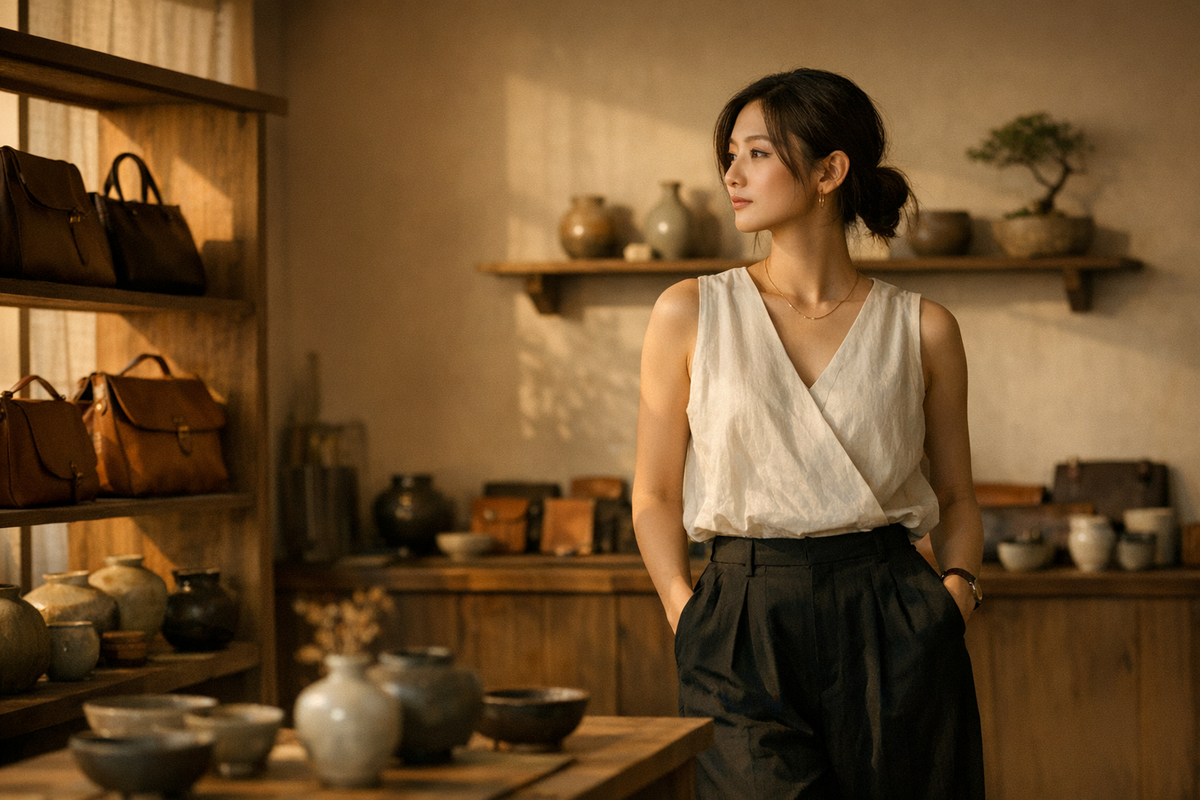
當我在東京看到「WELCOME TO JUNCTION」這間專門引進韓國品牌的選物店時,心裡浮現的第一個念頭是:為什麼台灣品牌還沒有這樣的據點?
株式会社 CiiK 推出的這個空間,不只是把韓國商品擺上架那麼簡單。他們將自己定位為「日韓文化交流的接點」,每一件選品背後都有故事,每個品牌進場都經過策展思維的篩選。這讓我想起日本選物店正在經歷的一場質變——從「セレクト(精選)」轉向「キュレート(策展)」。
選物店的策展轉向
傳統選物店的邏輯是「我幫你挑好的東西」,但策展型選物店說的是「我為你說一個故事」。差別在哪?前者是品味的展示,後者是文化的對話。
WELCOME TO JUNCTION 做的就是後者。他們不只賣韓國設計師的手工包,而是透過空間陳列、主題企劃、定期輪換,讓日本消費者理解這個包背後的首爾街頭文化、獨立創作者的生存哲學、甚至是韓國年輕世代對 Lifestyle 的想像。
這種模式讓我思考:台灣與日本之間,難道沒有更深刻的文化連結可以轉化為商業語言嗎?
台灣品牌的日本實驗
其實已經有人在嘗試了。Plateau、WISDOM 等台灣品牌開始在日本百貨進行快閃活動,用短期進駐測試市場水溫。但快閃終究是快閃,缺乏持續性的文化論述空間。
如果有一間常設的「台日文化連結選物店」會是什麼樣子?我想像它可以採取月度主題輪換——一月是「東京獨立陶藝 × 台南手作皮革」,二月變成「京都和菓子包裝 × 台灣茶罐設計」,三月聚焦「北海道木工 × 宜蘭家具職人」。
重點不是商品本身,而是透過並置(juxtaposition)創造對話。當台南的植鞣革錢包與東京陶藝家的器皿放在同一個空間,消費者看到的不只是兩件好東西,而是兩種文化對「手感」、「時間」、「日常」的不同詮釋。
策展思維的商業價值
有人會問:這樣做真的能賺錢嗎?我的觀察是,策展型選物店賣的不只是商品,更是「意義消費」的體驗。
當代消費者——特別是日本市場——越來越在意購買行為背後的文化脈絡。他們想知道這個台灣陶藝家為什麼選擇柴燒,這個日本皮革職人如何向台灣工藝學習。這些敘事本身就是價值,可以轉化為溢價空間與品牌忠誠度。
WELCOME TO JUNCTION 的成功證明了一件事:文化交流不需要官方單位主導,民間的商業力量同樣可以成為文化外交的載體。甚至,商業模式的可持續性反而讓文化交流更有生命力。
台灣準備好了嗎?
台灣當然有足夠的創意能量和品牌實力,問題是我們有沒有準備好「用策展思維說故事」。
這需要的不只是好產品,還需要能夠跨文化翻譯的策展人、願意長期投入的通路夥伴、以及對文化交流有想像力的品牌主理人。更重要的是,我們得先問自己:在台日文化交流這件事上,我們想說什麼故事?是懷舊的情感連結?還是當代創作者的平行對話?
我認為後者更有未來性。台日兩地的年輕創作者面對相似的都市化困境、相似的傳統工藝斷層、相似的永續思考。如果能透過選物店這個介面,讓彼此的解決方案互相參照、碰撞、激盪,那才是真正有生命力的文化外交。
選物店不只是賣東西的地方,它可以是文化的接點、對話的平台、甚至是重新定義兩國關係的實驗場域。問題只是:誰準備好當那個 Junction 了?
From Selection to Curation: Taiwan-Japan Cultural Exchange Shops
When I encountered “WELCOME TO JUNCTION” in Tokyo—a curated space dedicated to Korean brands—my immediate thought was: why doesn’t Taiwan have something like this yet?
CiiK Corporation’s project isn’t simply about stocking Korean products on shelves. They’ve positioned themselves as a “junction for Japan-Korea cultural exchange,” where every selected item carries a story, and each brand enters through a curatorial lens. This reminded me of the transformation happening across Japanese select shops: a shift from “セレクト (selection)” to “キュレート (curation).”
The Curatorial Turn in Retail
Traditional select shops operate on the logic of “I’ve chosen good things for you.” Curatorial shops, however, say “I’m telling you a story.” The difference? The former displays taste; the latter facilitates cultural dialogue.
WELCOME TO JUNCTION exemplifies the latter approach. They don’t just sell Korean designers’ handcrafted bags—they use spatial arrangement, thematic programming, and regular rotations to help Japanese consumers understand Seoul’s street culture, independent creators’ survival philosophies, and young Koreans’ lifestyle imagination.
This model made me wonder: don’t Taiwan and Japan share deeper cultural connections that could be translated into commercial language?
Taiwan’s Japanese Experiments
Some are already trying. Brands like Plateau and WISDOM have initiated pop-up events in Japanese department stores, testing market reception through temporary installations. But pop-ups remain ephemeral, lacking the space for sustained cultural discourse.
What would a permanent “Taiwan-Japan cultural junction shop” look like? I imagine monthly rotating themes—January featuring “Tokyo Independent Ceramics × Tainan Handcrafted Leather,” February shifting to “Kyoto Wagashi Packaging × Taiwan Tea Canister Design,” March focusing on “Hokkaido Woodwork × Yilan Furniture Artisans.”
The point isn’t the products themselves, but the dialogue created through juxtaposition. When a Tainan vegetable-tanned leather wallet sits alongside a Tokyo ceramicist’s vessel, consumers see more than two quality items—they witness two cultures’ different interpretations of “handcraft,” “time,” and “everyday life.”
The Commercial Value of Curation
Some might ask: can this actually be profitable? My observation is that curatorial shops sell more than products—they offer the experience of “meaningful consumption.”
Contemporary consumers, especially in the Japanese market, increasingly care about the cultural context behind purchasing decisions. They want to know why this Taiwanese ceramicist chose wood-firing, how this Japanese leather craftsman learned from Taiwanese techniques. These narratives themselves constitute value, translatable into premium pricing and brand loyalty.
WELCOME TO JUNCTION’s success proves one thing: cultural exchange doesn’t require official facilitation. Private commercial forces can equally serve as vehicles for cultural diplomacy. In fact, the sustainability of business models may give cultural exchange greater vitality.
Is Taiwan Ready?
Taiwan certainly possesses sufficient creative energy and brand capability. The question is whether we’re prepared to “tell stories through curatorial thinking.”
This requires not just quality products, but curators capable of cross-cultural translation, channel partners willing to invest long-term, and brand founders with imagination for cultural exchange. More importantly, we must first ask ourselves: what story do we want to tell about Taiwan-Japan cultural exchange? Nostalgic emotional connections? Or contemporary creators’ parallel dialogue?
I believe the latter holds more future potential. Young creators in both Taiwan and Japan face similar urbanization challenges, similar gaps in traditional craft transmission, similar sustainability considerations. If select shops can become interfaces where each side’s solutions reference, collide, and catalyze each other, that would constitute truly vital cultural diplomacy.
Select shops aren’t just places to sell things—they can be cultural junctions, dialogue platforms, even experimental fields for redefining bilateral relationships. The only question is: who’s ready to become that Junction?