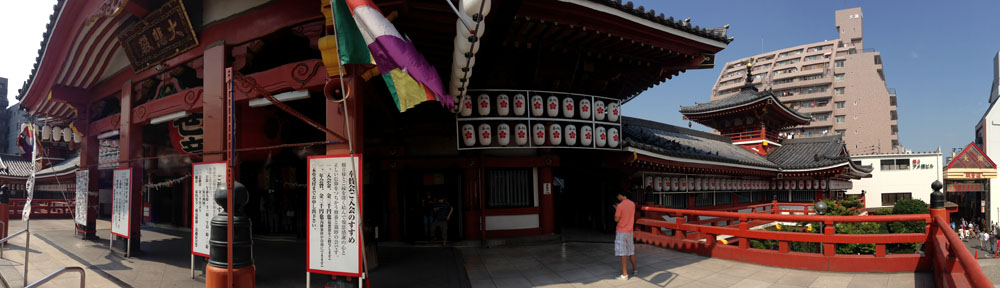
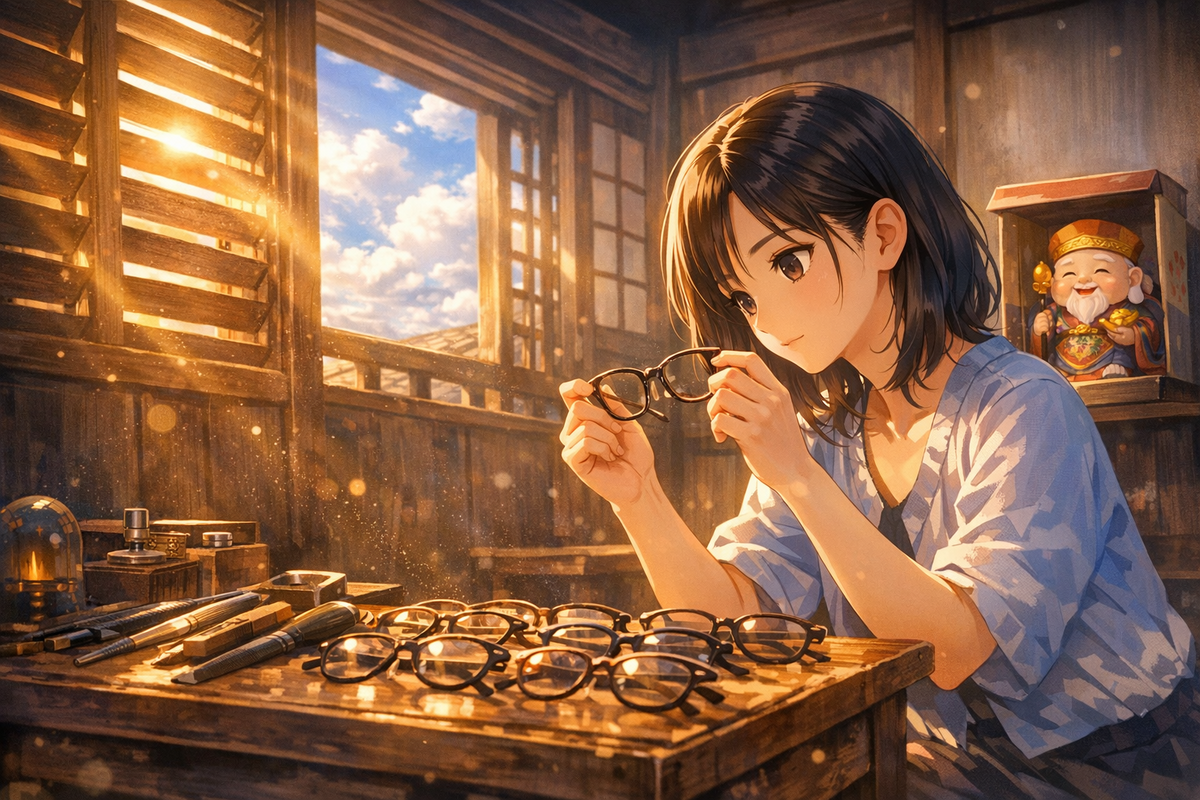
台中勤美的一棟日治時期町屋宿舍群裡,陳列著近600款手工製眼鏡框。鏡架旁邊擺著製鏡工具,讓你感受那個重量。金子眼鏡的職人從福井縣鯖江市帶來的不只是商品,是一套關於手如何讀懂材料的知識。而這棟建築在他們進駐之前,快要只剩下「歷史」兩個字。
這三個案例同期發生,值得放在一起看:Wood Taiwan 2026攜手吳寶春推出「品味穀香」跨業合作;金子眼鏡全台首間直營店進駐勤美0km山物所;路遙圓創推出HelloTaiwan 5「神明系列」盲盒,包含土地公、財神、月老,以及白沙屯媽祖聯名款。表面上是三個不相干的品牌新聞,說的其實是同一件事:工藝在找新的市場語言。
麵包與年輪說同一種話
Wood Taiwan是台灣木工機械產業的年度展會,台灣是全球第四大木工機械出口國。這種規格的產業展,邏輯上是B2B的商業現場,買家來自各地工廠。但2026年,主辦方把吳寶春拉進來了。
吳寶春2010年以荔枝玫瑰麵包在世界麵包大師賽奪得冠軍,用的是台灣在地食材加法式技法。他的邏輯一直是:食材的質地本身就是語言。木材的年輪是時間刻進材料的痕跡,麵包的發酵紋路也是。這兩種手工質地的對話,讓一個原本服務工廠採購商的展覽,開始跟消費者說話。這是個槓桿動作,不是跨界噱頭。
問題是,大多數工藝困在「產業展」框架裡太久了。它的語言只對同行有效,消費市場根本不知道那個技術存在。吳寶春的角色是翻譯——把木工機械的精度翻譯成一個人能感受的質感。
歷史空間是容器,不是展櫃
金子眼鏡選擇進駐勤美0km山物所,這個選址本身就是一個論點。山物所是勤美集團與林業署共同活化的日治時期建築群。金子眼鏡沒有去信義區的玻璃購物中心,它去了一棟有歷史厚度的空間,讓600款鏡框跟這棟建築一起呼吸。
老建築最怕被當成道具。道具的意思是,建築變成背景,裡面賣的東西才是主角。山物所的模式不同——是讓工藝物件跟空間互相成為對方的理由。職人手作的眼鏡框在有溫度的歷史建築裡,比在任何精品百貨都更能說清楚自己是什麼。
霹靂布袋戲在1995年開設衛星電視頻道,是台灣傳統工藝商業化最完整的案例之一——從廟會演出到錄影帶到自營頻道,每一步都是在為自己找新的「容器」。明華園歌仔戲1997年轉型,走家族傳承加精緻化路線,後來被文化部認定為台灣品牌。它們都沒有等補助政策來定義自己的存活方式。
媽祖變成你想收藏的東西
路遙圓創的神明盲盒是這三個案例裡最激進的。把媽祖、土地公、文昌帝君做成設計師盒玩,加入白沙屯媽祖聯名款,打進盲盒收藏市場——這個操作的前提是,信仰符號可以跟信仰脫鉤,單獨以設計語言存活。
這讓我想到交趾陶和剪黏:台灣廟宇裝飾工藝,色彩和造型精細到讓人屏氣,卻正在面臨失傳。欣賞的人不是沒有,但沒有人知道要怎麼欣賞——它太完整地活在廟宇語境裡,出不來。路遙做的事情,是給信仰符號一個可以流通的新格式。年輕世代第一次想要擁有神明的造型,起點是設計,不是敬畏。這條路能走多遠,觀察預購完售速度和是否有海外買家跟進,比任何分析都直接。
補助買不到市場語言
這三個案例的共同點,是找到付錢的人。大溪木藝生態博物館在2025年舉辦國際木藝家具設計競賽,把百年木藝傳統包裝成全球工藝小鎮的名片——也是同一個邏輯:工藝要被看見,需要一個讓外人有理由靠近的切入點。
博物館是保存,不是活著。保存的意思是:這個東西已經結束了,我們把它留下來。而吳寶春的麵包紋路、金子眼鏡的鯖江手工、路遙的白沙屯媽祖,都還在試圖找一個它可以繼續發生的地方。
台中那棟日治町屋今年4月有了新的理由讓人推開門。進去的人買不買眼鏡是另一件事——他們感受到的是,一個曾經快要只剩歷史的空間,現在裡面有人在工作。
— 洪俊傑
Craft Lives Outside the Museum
Inside a restored Japanese colonial-era townhouse in Taichung, nearly 600 handcrafted eyeglass frames are on display. Beside the frames sit the tools used to make them — not as explanation, but as evidence of weight. Kaneko Optique brought them from Sabae, Fukui Prefecture. The building almost became nothing more than a historical footnote before they moved in.
Three cases arrived around the same time: Wood Taiwan 2026 partnered with bread champion Wu Pao-chun for a cross-industry collaboration called “品味穀香”; Kaneko Optique opened its first Taiwan flagship inside the Qinmei 0km Sanmono-sho heritage complex; and design studio 路遙圓創 launched its HelloTaiwan 5 “神明系列” blind box, featuring figures of 土地公, 財神, 月老, and a Baisha Tunmazu limited edition. Three unrelated brand announcements on the surface. The same underlying logic underneath: craft looking for a new market language.
Wood Rings and Bread Crumb — Same Sentence
Taiwan is the world’s fourth-largest exporter of woodworking machinery. Wood Taiwan is, structurally, a B2B trade floor. Wu Pao-chun — who won the Mondial du Pain in 2010 with a lychee rose loaf built on Taiwanese ingredients — has no business being there. Except he does. His argument has always been that the texture of a material is itself a language. A wood ring is time pressed into fiber; so is a fermentation crease in dough. The collaboration doesn’t just broaden the audience for an industry exhibition — it performs a translation. Woodworking precision becomes something a person can taste.
Most craft has been stuck inside industry-facing language for too long. Its vocabulary only works for buyers who already know what they’re looking at. Wu’s role here is interpreter.
The Building Is the Argument
Kaneko Optique’s choice to open in 0km山物所 — a heritage complex jointly revitalized by the Qinmei Group and the Forestry Agency — is itself a position. They didn’t open in a glass-fronted mall. They went into a building with decades of institutional memory, and let 600 frames breathe alongside it.
The risk with heritage buildings is always the same: they become backdrops. The merchandise becomes the point; the architecture becomes wallpaper. What works here is the reversal — the craft objects and the space become reasons for each other’s existence. A handmade frame from Sabae reads differently inside a colonial townhouse than it would under department store lighting.
霹靂 puppet theater opened its own satellite channel in 1995, moving from temple performances to VHS to broadcast — each step a new container for the same craft. 明華園 opera troupe restructured in 1997 and was later recognized as a Taiwan Brand by the Ministry of Culture, built on family continuity and artistic refinement. Neither waited for subsidy to define how they would survive.
The Goddess as Collectible
路遙圓創’s blind box is the most radical of the three moves. Turning Mazu, 土地公, and 文昌帝君 into designer collectibles — with a Baisha Tun Mazu collaboration edition — assumes that a religious icon can travel without its religious context and survive on design language alone.
Taiwan’s 交趾陶 and 剪黏 — temple decorative arts of vivid color and precision craftsmanship — are facing extinction risk. The problem isn’t appreciation; it’s accessibility. They are so thoroughly embedded in temple grammar that they can’t circulate elsewhere. What 路遙圓創 has done is give the same symbolic vocabulary a portable format. The first time a young buyer wants to own a Mazu figure, the motivation isn’t reverence. It’s design. Whether that’s a degradation or an extension is a question worth leaving open — the answer is in whether overseas buyers follow.
Subsidy Doesn’t Buy a Market
What these three cases share isn’t “preserving tradition.” It’s finding someone willing to pay. The Daxi Wood Art Eco Museum held an international woodcraft design competition in 2025, repackaging a century of local wood craft as a global craft town identity. Same logic: craft needs an entry point that gives outsiders a reason to approach.
Preservation implies something has ended and we’re keeping the remains. Wu Pao-chun’s bread textures, Kaneko Optique’s Sabae construction, 路遙圓創’s Mazu in a blind box — all of them are still trying to find a place where they can keep happening.
That townhouse in Taichung had a new reason for visitors to push open the door in April this year. Whether anyone inside bought glasses is a separate question. What mattered is that a space almost reduced to history now has people working inside it.
— 洪俊傑
延伸閱讀
https://justfly.idv.tw/s/MwgUHP9