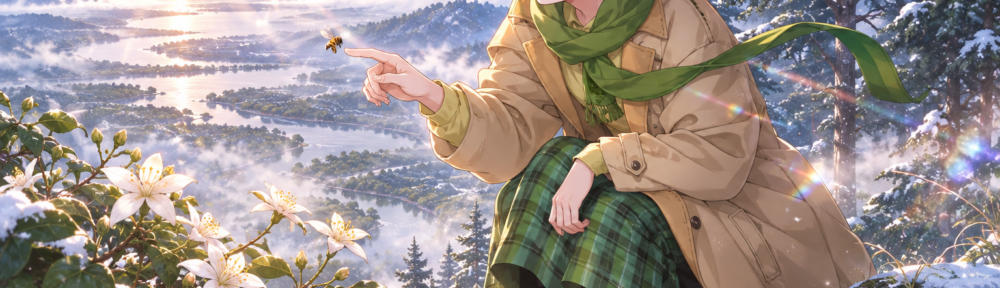

2025 年 11 月 20 日中午 12 點 25 分,玉山北峰的氣象站觀測到下雪,雪一落地就融,12 點 55 分停止,沒有積雪。三十分鐘,算是當年入冬的第一場。
2026 年的大雪預計在 12 月上旬開始,到冬至為止。平地不會有雪,農業部的節氣頁寫得直白:平地雖然樹葉長青,多少也有幾分冬意,高山才明顯感覺得到冬的嚴寒。
等第一場雪的時候
氣象署整理的玉山初雪資料,正常值落在 11 月 8 日到 12 月 31 日之間,平均是 12 月 4 日。最早的一次是 1986 年 10 月 1 日,最晚拖到 2023 年 3 月 26 日。大雪前後,剛好卡在平均值的旁邊,是山在等雪的時候。
雪來了,落在哪裡?太魯閣國家公園的介紹寫秋冬萬物休養生息,唯獨冷杉頂著一頭白雪。植物研究者看冷杉,看的是它的生長帶:台灣冷杉的植物資料和 TaiCOL 都查得到。
2025 年的合歡山,第一場雪等到 12 月下旬,12 月 27 日的報導寫武嶺積雪超過 9 公分。同一個冬天,兩座山的初雪相隔甚久。
山下:烏魚與筆
節氣諺語「大雪大到」,說的是烏魚群在大雪時大批湧進台灣海峽。農業部的節氣頁列出,本節氣從淡水、彰化、台南、澎湖、高雄、東港等外海先後都可撈捕烏魚。雪留在山上,魚往海峽裡來。
淡水河口另有一種冬天的景象。水筆仔是胎生植物,種子在樹體上就發芽,長出棍棒狀的胚莖,先端銳尖。長在河流入海口或海岸,潮水一漲,根淹在水裡。觀光署的介紹寫淡水河口紅樹林從每年 9 月中旬到次年 3 月中旬,還有鷺鷥類、鷸類等水鳥;紅樹林自行車道沿淡水河濱設置。
冬天才開的花
冬天開花的植物少,蜜蜂的選擇也就少。鴨腳木(鵝掌柴、江某)花白,花期 10 到 12 月。苗栗區農改場的農業新聞說,鴨腳木是冬季最要緊的蜜源樹種之一,可是寒流一來,花泌蜜受影響,蜜蜂採集也受影響,甚至可能凍僵在巢外。沒有豐富經驗的蜂農難以採收,產量因此相對稀少。同一篇還提到,鴨腳木是低海拔闊葉林常見樹種,昔日拿來做木屐。一棵樹,一邊供著蜜,一邊曾經踩在腳下。
藤本裡有厚葉鐵線蓮,花期 12 月到第二年 1 月,果期 2 月,TaiCOL 也有收錄。臺灣馬蘭是臺灣特有種,秋冬開花的野菊,島民集合有一篇〈妝點秋山的小星星:臺灣馬蘭〉。
12 月上旬起,山上等雪,海峽等魚,河口的水筆仔掛著胚莖,鴨腳木的白花也在冬天裡開著。
— 溫以君
參考來源:https://www.moa.gov.tw/ws.php?id=2507793、https://taicol.tw/zh-hant/taxon/t0052667
Daxue Is Coming: Snow on the Firs, Winter Blooms Below
At 12:25 p.m. on 20 November 2025, the weather station on Yushan’s north peak recorded snow. It melted on touching the ground and stopped at 12:55, with no accumulation. Thirty minutes, and that counted as the first snow of the winter.
Daxue (Major Snow) in 2026 is expected to begin in early December and run to the winter solstice. No snow falls on Taiwan’s lowlands. The Ministry of Agriculture’s solar-term page puts it plainly: the trees on the plains stay green, with only a hint of winter, while the cold is unmistakable in the high mountains.
Waiting for the first snow
The Central Weather Administration’s data on Yushan’s first snow gives a normal range from 8 November to 31 December, with an average of 4 December. The earliest on record was 1 October 1986, the latest 26 March 2023. The days around Daxue sit right next to that average, the time when the mountain is waiting.
When snow does come, where does it land? Taroko National Park’s introduction says that in autumn and winter everything rests, except the fir, wearing a head of white. For a plant researcher, the fir is read by its vegetation zone: Taiwan fir has entries in the plant database and on TaiCOL.
In 2025, Hehuanshan’s first snow came in late December. A report dated 27 December put the accumulation at Wuling at more than 9 centimeters. In the same winter, the first snow on the two mountains arrived far apart.
Below: mullet and pens
The solar-term proverb “Daxue da dao” says the grey mullet arrive in large numbers in the Taiwan Strait at Daxue. The Ministry’s page lists waters off Tamsui, Changhua, Tainan, Penghu, Kaohsiung and Donggang where mullet can be caught during this term. The snow stays on the mountain, and the fish come in through the strait.
The Tamsui estuary has its own winter scene. The Kandelia (水筆仔, “water pen”) is viviparous: the seed germinates while still on the tree and grows a club-shaped hypocotyl with a sharp tip. It grows where rivers meet the sea, roots under the tide. The Tourism Administration’s page says water birds such as egrets and sandpipers are present at the Tamsui estuary mangroves from mid-September to mid-March, and that a mangrove bike path runs along the Tamsui riverside.
Flowers that open in winter
Few plants flower in winter, which leaves bees few choices. The ivy tree (鴨腳木, also called 鵝掌柴 or 江某) has white flowers and flowers from October to December. A Miaoli District Agricultural Research and Extension Station farm news item calls it one of the most essential winter nectar trees, but when a cold front arrives, nectar flow and bee foraging suffer, and bees may even freeze outside the hive. Beekeepers without plenty of experience find it hard to harvest, so yields are relatively small. The same item notes that it is a common low-elevation broadleaf tree, once used to make wooden clogs. One tree supplies honey on one side and once ended up underfoot on the other.
Among the vines, the thick-leaved clematis flowers from December to January and fruits in February, and is also listed on TaiCOL. Taiwan aster is endemic to Taiwan, a wild daisy that blooms in autumn and winter, and the article “Little Stars Dressing the Autumn Mountains” is written about it.
From early December, the mountain waits for snow, the strait for fish, the estuary’s Kandelia hangs its hypocotyls, and the ivy tree’s white flowers open through the winter.
— 溫以君
Sources: https://www.moa.gov.tw/ws.php?id=2507793, https://taicol.tw/zh-hant/taxon/t0052667
延伸閱讀
https://justfly.idv.tw/s/31d9gVR