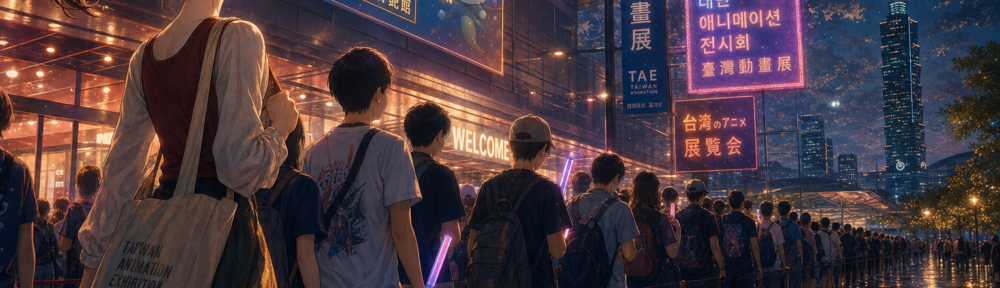
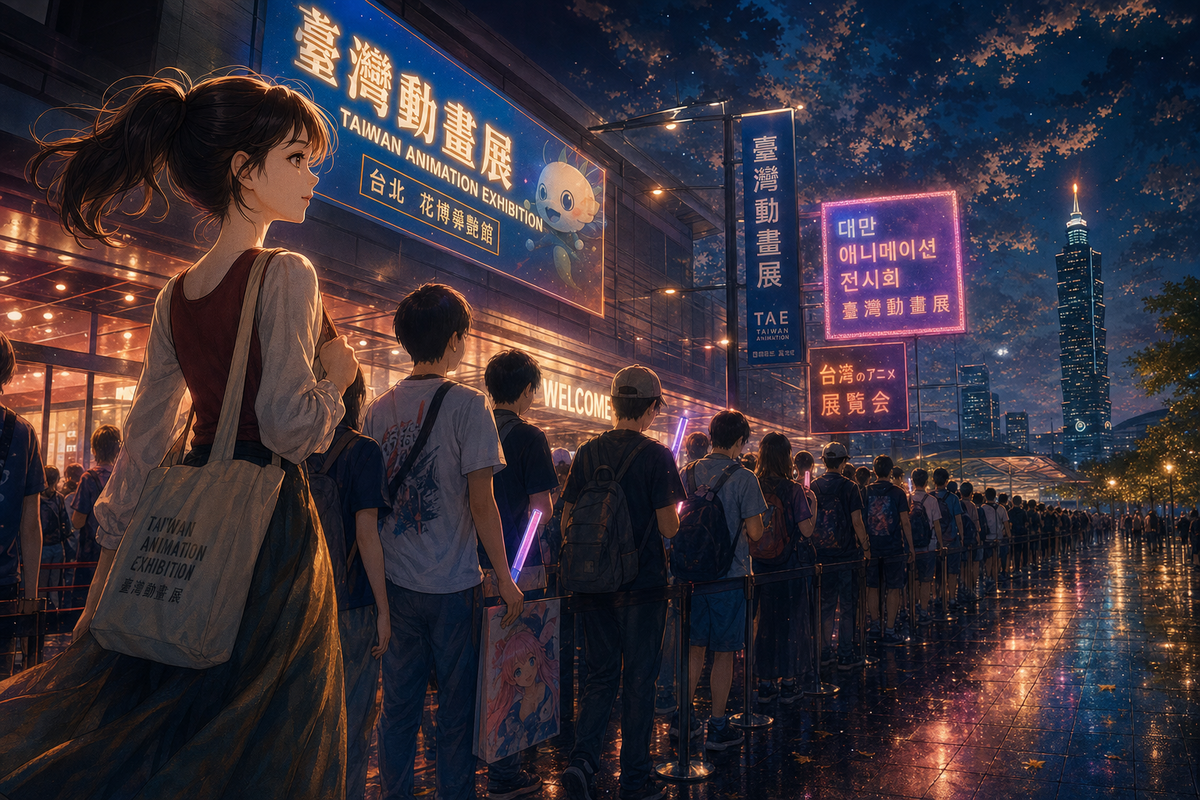
松山文創的排隊人龍,從展館門口繞過半條街。等著進去的是《我獨自升級》的沉浸式體驗展——一個韓國Webtoon IP,先長成動漫,再落地成實體場域。光看現場的人潮,很難說這是一門小生意。
韓國IP的路線拆開來看其實很清楚:Webtoon先在手機螢幕上累積讀者,粉絲基礎夠厚之後,轉化成動畫、快閃店、沉浸展。每一步都是變現,也都是再擴粉。台灣在這條鏈上扮演的角色,是「驗證市場」——韓國IP出海之前,台灣往往是確認機制能不能運轉的第一站。這跟台灣的消費習慣、媒體滲透率、以及地理上的戰略位置都有關係,不是單一原因。
同一個場域,兩張地圖
台北的文創場館正在變成一種特殊的IP戰場格局:韓國IP與日本IP幾乎同期登陸,搶的是同一批週末有閒、願意為體驗型消費掏錢的觀眾。松山文創辦的不是個案,是一條正在成形的商業迴路。
這條迴路對展覽主辦方划算的地方在此:IP本身的粉絲黏著度替展覽預售了門票,場館不需要靠陌生行銷說服陌生觀眾,只需要把既有粉絲引進門。沉浸式展覽作為一種形式,解決了「IP粉絲想要更多」的需求,也解決了「實體場域需要差異化內容」的需求。雙向都有利,所以它在擴張。
但擴張的是別人的IP。
消費力與創作力之間的缺口
台灣觀眾對IP體驗消費的接受度相當高,這一點從現場排隊的長度就看得出來。問題不在市場有沒有,問題在於:這個市場被誰的內容填滿。
台灣不是沒有創作能量。漫畫、獨立遊戲、影視——每隔幾年都有讓圈內人眼睛一亮的東西出現。但從「有作品」到「有IP體驗產業」之間,中間那一段路的基礎建設幾乎是空白的:沒有系統化的IP授權機制,沒有能把數位內容轉化成實體體驗的製作公司生態,更沒有讓創作者在商業循環裡存活夠久的結構支撐。韓國花了超過十年在這套基礎建設上投資——平台、製作公司、海外發行網絡——不是一個Webtoon爆紅就自動長出來的。
所以那條松山文創門口的隊伍,其實也是一份帳單。帳單上記的是台灣在IP產業鏈中游與下游的缺位。台灣的觀眾有錢、有興趣、有時間,但錢流向了首爾的IP持有者,流向了在台灣執行落地的國際展覽公司。本地創作者站在哪一個環節?
編舞的邏輯:動作之前先有結構
從編舞的角度看,最難向外行解釋的一點是:舞台上看到的動作形狀,其實是最後才搭建起來的東西。在那之前,地板動線、時間邏輯、身體之間的空間關係,都是看不見的基礎建設。觀眾只看到動作。看不到動作為什麼可能。
《我獨自升級》展覽就是那個動作。台灣缺的,是讓本地內容也能走到同一個舞台的那張地板圖。那是製作公司生態的問題,是授權基礎建設的問題,是平台投資的問題——沒有一個能靠鼓掌叫好解決。展覽跑完檔期就收了。但製造出這個展覽的那套迴路,仍然留在首爾。
— 張可薇
Taiwan Queues for Other People’s Stories
The line outside Songshan Cultural and Creative Park wrapped around half the block. People were waiting to enter the SOLO LEVELING immersive experience — a Korean Webtoon IP that grew into an anime and then landed as a physical exhibition space. The crowd alone made the business case.
The Korean IP playbook is legible once traced: Webtoon platforms build readership on mobile screens, then the accumulated fanbase converts into animation, pop-up shops, and immersive exhibitions. Each step monetizes, and each step recruits new fans. Taiwan’s role in this chain is that of a validation market — a place where the mechanism gets tested before wider expansion. That reflects Taiwan’s consumption habits, media penetration, and geographic position all at once. No single explanation covers it.
One Venue, Two Maps
Taipei’s cultural venues are becoming a specific kind of IP battleground: Korean and Japanese IPs arriving almost simultaneously, competing for the same audience — people with free weekends and a willingness to pay for experiential consumption. What’s happening at Songshan isn’t a one-off. It’s a circuit taking shape.
The circuit’s logic benefits exhibition organizers: IP fanbase loyalty pre-sells tickets. The venue doesn’t need to convince strangers — it just needs to open the door for existing fans. Immersive exhibitions solve two problems at once: fans who want more, and physical venues that need differentiated content. Both sides gain. That’s why the format is expanding.
But it’s someone else’s IP that’s expanding.
The Gap Between Spending and Making
Taiwan’s appetite for IP experiential consumption is evident from any exhibition queue. The question isn’t whether the market exists. The question is whose content fills it.
Taiwan has creative output — comics, independent games, film and television work that surfaces every few years and catches attention within the industry. But between “having a work” and “having an IP experience industry,” the middle infrastructure is largely absent: no systematic IP licensing mechanism, no ecosystem of production companies capable of translating digital content into physical experiences, and no structural support that keeps creators solvent long enough to build something durable. Korea spent well over a decade investing in exactly that infrastructure — platforms, production companies, international distribution networks. No single viral Webtoon built that on its own.
So the queue outside Songshan is also a kind of invoice. It records Taiwan’s absence from the middle and downstream segments of the IP value chain. The audience here has money, interest, and time — but the money flows to IP holders in Seoul and to international exhibition companies executing the local rollout. Local creators occupy which part of that loop?
Structure Before Movement
In choreography, the hardest thing to explain to people outside the field is that a performance’s visible shape is the last thing built. Everything before it — floor plan, timing logic, the relationship between bodies in space — is invisible infrastructure. Audiences only see the movement. Not why it was possible.
The SOLO LEVELING exhibition is the movement. What Taiwan is missing is the floor plan that would let something local reach the same stage. That’s a production company ecosystem question, a licensing infrastructure question, a platform investment question — none of which gets solved by applauding the queue. The exhibition runs its dates and closes. The circuit that produced it stays in Seoul.
— 張可薇
延伸閱讀
https://justfly.idv.tw/s/gk1T7Ae