
2026 年 11 月 6 日下午 3 點,南港展覽館一館四樓的節目表上排著一格「知味引路」:特富野部落,飛鼠咖啡,陳瑜安。官方介紹寫的重點是她如何與父親返鄉種咖啡,以一杯咖啡凝聚鄒族青年的力量。旅展裡多的是促銷牌和折扣數字,這一格的內容卻只有一件事:一個人回家,種東西。
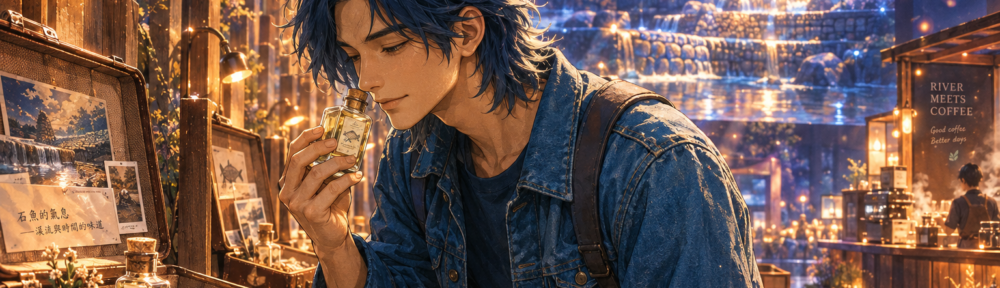
咖啡師看豆子,先看的不是杯子。咖啡果實經採收與後製取得生豆,生豆再經烘焙與沖煮,才成為杯中的咖啡;每一步都在決定它帶不帶得走一座山的味道。文化帶路 ON THE WAY 官網把這個邏輯直接做成展場:聞・阿里山這間閱覽室,木片一片片豎起來排成森林,每棵「樹」前面擺一只打開的旅行箱,箱裡有一瓶氣味、照片和故事。按一下氣味瓶,才聞得到。
六瓶氣味,其中一瓶是咖啡
官網列出的六種味道:紅檜的溫潤辛香、愛玉籽的乾燥草本、山葵椒鹽的嗆鼻鹹香、日曬咖啡豆的濃郁果韻、高山茶的優雅清新、阿里山油菊的淡淡花草氣息。咖啡豆和紅檜、高山茶、油菊並列,讓觀眾從氣味認識阿里山。觀光署的飛鼠咖啡介紹也列有自種咖啡品飲與部落導覽,咖啡與這片土地的連結,有具體的生產與經營活動。
水聲與石面,各管一個感官
依官網的展場設計介紹,三間閱覽室分別以聽覺、嗅覺與觸覺呈現地方。聽・花蓮用現地錄音:田野有風過稻穗與鳥叫,山林有蟲鳴與樹葉聲,最後一段只剩白鮑溪水聲,和豐田玉與礫石在溪底輕輕相碰的清響。觸・澎湖則把石滬縮小搬進展場,燈光模擬月色下的水面,在石縫間晃動,腳下石塊高低起伏,伸手能摸到被海風與潮水磨過上百年的粗糙石面,旁邊的水桶改成燈箱,亮著石滬裡常見的魚。
三條線索擺在一起看,有個對照:水聲是流動的,錄下來可以重播;石頭是固定的,只能用手去貼;氣味介於兩者之間,裝在瓶子裡,按一下才放出來。咖啡正好橫跨這三種狀態:磨豆有聲,沖煮有水,杯壁有溫度,最後才是香氣。
護照上的一杯
展場另設「感官行旅護照」,完成感官閱讀後可免費兌換當日限定的地方風土飲品。11 月 8 日是花蓮主題日,吧台依官網所列供應芳草古樹花蓮瑞穗蜜香紅茶與老樹舍咖啡;官網節目表排定當天 14:00 由艸一田八工作室以手碟演奏「聽見花蓮」,15:00 由後山禮人蔡任賢分享白鮑溪尋玉。官網同時註明兌換品項數量有限、兌完為止,現場剩多少,得到場才知道。
四天展期不等於每天同一支團隊、同一杯飲料:嘉義、澎湖、花蓮、多元,各有各的日子。11 月 6 日的飛鼠咖啡場次已經排在過去,11 月 9 日是最後一天,官網寫明錯過前三天的觀眾可以在這天一次走完三間閱覽室、蓋滿章印。
展覽以北回廊帶串聯花蓮、阿里山與澎湖的風景,這是策展範圍,不代表每處場址都在同一條緯線上。瑞穗鄉公所的北回歸線介紹列出的台灣通過地點包括嘉義水上、花蓮瑞穗與豐濱。走進展場時,可以沿著三間閱覽室認識地方,再把地圖上的位置分開看。
展覽將於 11 月 9 日結束。走完三間閱覽室後,可以帶著集章護照前往吧台,依現場公告兌換當日飲品。
— 許敬元
One Bean from Peisu Coffee, and a Mountain Made of Smell
At 3 p.m. on November 6, 2026, the schedule at Nangang Exhibition Center Hall 1, 4th floor, carried one slot labelled “知味引路”: Tefuye tribe, Peisu Coffee, Chen Yu-an (陳瑜安). The official blurb says her talk covers returning home with her father to grow coffee, and how one cup of coffee gathered Tsou young people together. A travel fair is mostly price tags and discount numbers. This slot was about one thing: a person going home to plant something.
A barista looks at the bean before the cup. Coffee cherries are harvested and processed to obtain green beans, which are then roasted and brewed, and each step decides whether it can still carry a mountain’s smell. The Cultural Way ON THE WAY site turns that logic into a floor plan. In the Alishan scent room, wooden slats stand upright to form a forest, and in front of each “tree” sits an open suitcase holding a scent bottle, photos and a story. The smell only comes out when a visitor presses the bottle.
Six scents, one of them coffee
The official list: red cypress with a warm spice, aiyu seeds with a dry herbal note, wasabi pepper-salt with a sharp savoury sting, sun-dried coffee beans with a rich fruity depth, high-mountain tea with a clean elegance, and Alishan chrysanthemum with a faint floral-herbal trace. Coffee appears beside red cypress, high-mountain tea and Alishan chrysanthemum as a way to introduce the area through scent. The Tourism Administration listing for Peisu Coffee describes tastings of its own coffee and village tours, giving that connection a concrete basis in growing and local business.
Water for the ears, stone for the hands
In the official description of the exhibition design, the three rooms introduce places through sound, scent and touch. The Hualien room uses on-site recordings: wind through rice and birdcalls in the fields, insects and rustling leaves in the forest, and finally only the Baibao Creek water and the soft knock of Fengtian jade against gravel on the creek bed. The Penghu room brings a scaled-down stone weir into the hall, with lighting that imitates moonlit water shimmering between the stones, uneven blocks underfoot, and rough surfaces worn by sea wind and tide for a century or more. Buckets nearby have become light boxes glowing with fish common in the weirs.
Set side by side, the three clues make a contrast. Water flows, so it can be recorded and replayed. Stone stays put, so it can only be touched. Scent sits between the two, bottled until pressed. Coffee happens to cross all three states: grinding makes noise, brewing needs water, the cup holds warmth, and only then comes the aroma.
One cup on the passport
The hall also offers a “sensory travel passport”: finish the sensory reading and redeem a free local drink limited to that day. November 8 is Hualien theme day, with the bar serving Fangcao Gushu Ruisui honey-aroma black tea and Laoshushe coffee, as listed on the site. The official schedule lists a handpan performance, 聽見花蓮, by 艸一田八工作室 at 14:00, followed at 15:00 by a session on searching for jade in Baibao Creek with 蔡任賢 of 後山禮人. The site also notes that redemption items are limited and run out when they run out, so how much remains on any given afternoon is something only a visit can tell.
Four days does not mean the same team or the same drink each day: Chiayi, Penghu, Hualien and a mixed finale each have their own date. Peisu Coffee’s slot, on November 6, is already behind us. November 9 is the last day, and the site says visitors who missed the first three can walk all three rooms and fill the stamp card that day.
The exhibition links Hualien, Alishan and Penghu through a cultural corridor around the Tropic of Cancer; its selected sites do not all sit on one latitude. The Ruisui Township introduction to the Tropic of Cancer lists Shuishang in Chiayi and Ruisui and Fengbin in Hualien among the places the line crosses in Taiwan. The rooms offer a route through local stories, while the map keeps their locations distinct.
The exhibition ends on November 9. After visiting the three rooms, visitors can take their stamped passport to the bar and follow the on-site redemption instructions for the day’s drinks.
— 許敬元
延伸閱讀
- 木頭不會說謊:八斗阿美族學生的十日木構課
- 花蓮狐蝠的宵夜時間,開進了百貨公司一樓
- 寶可夢工藝展 台北:屬性是材料,不是貼紙
- 跟著一台投石器走過大崎村落的巷子
- 松園別館 展覽裡的竹帆船,船還沒下水,繩結先上了手
https://justfly.idv.tw/s/4VvBi7C